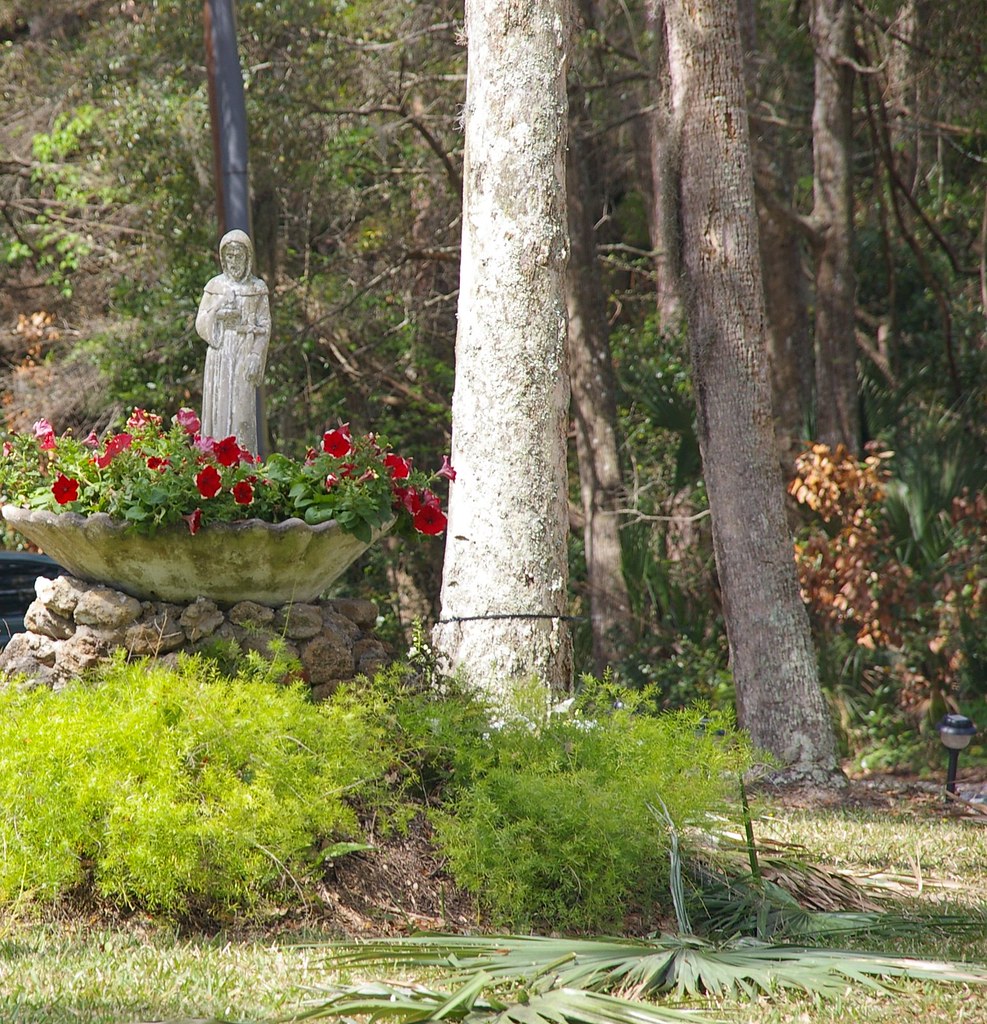
From the ground of St. George Episcopal Church, Ft. George Island, FL
.JPG) The Ribalut Club (technically pronounced Re-bow, not Ree-balt as we locals call it) was originally opened in 1928 as a resort catering to wealthy locals and vacationing Northerners. At that time Jacksonville was the popular vacation spot in Florida as Miami and other points further South were nothing but malaria infested swamps.
The Ribalut Club (technically pronounced Re-bow, not Ree-balt as we locals call it) was originally opened in 1928 as a resort catering to wealthy locals and vacationing Northerners. At that time Jacksonville was the popular vacation spot in Florida as Miami and other points further South were nothing but malaria infested swamps..JPG) The Ribault Club flourished for a while, adding an additional lodge in 1930 to accomodate the 350 members. Some ammenities included: a library, grand fireplace, numerous rooms, outdoor activities such as lawn bowling, and a 9-hole Scottish style golf course, not to mention easy access to sailing and boating.
The Ribault Club flourished for a while, adding an additional lodge in 1930 to accomodate the 350 members. Some ammenities included: a library, grand fireplace, numerous rooms, outdoor activities such as lawn bowling, and a 9-hole Scottish style golf course, not to mention easy access to sailing and boating.
.jpg) The Great Depression put an end to most of the fun, however, and the club was sold numerous times until finally falling into disrepair by the late 1900's. In 1989 the State of Florida purchased the property and is in the process of revitalising the facility. It currently hosts many weddings and receptions, a museum, and will eventually be the main visitor's center for Ft. George island.
The Great Depression put an end to most of the fun, however, and the club was sold numerous times until finally falling into disrepair by the late 1900's. In 1989 the State of Florida purchased the property and is in the process of revitalising the facility. It currently hosts many weddings and receptions, a museum, and will eventually be the main visitor's center for Ft. George island.
One other structure we stopped by briefly to snap a few photos of from the car is the St. George Episcopal Church, originally built in 1882-1883 and still an active parish. I would have liked to have gotten out to get some better photos and perhaps go inside, but some members were getting the facility ready for palm sunday and I did not want to disturb their work.
.jpg)
Next up: Fernandina, FL
.JPG) View on the main road of Ft. George island, FL.
View on the main road of Ft. George island, FL. .JPG)
A view looking south from a bluff on the island's eastern side.
Tomorrow I will show some photos of our ultimate destination on the island - the Ribault club - for a state park sponsored lecture on the Timucuan indians and their place in history vs. the findings of archaeology.
.JPG)
A view from near the Ribault club looking north towards Big Talbot island. Note the tall sand dunes on the opposite shore.


